

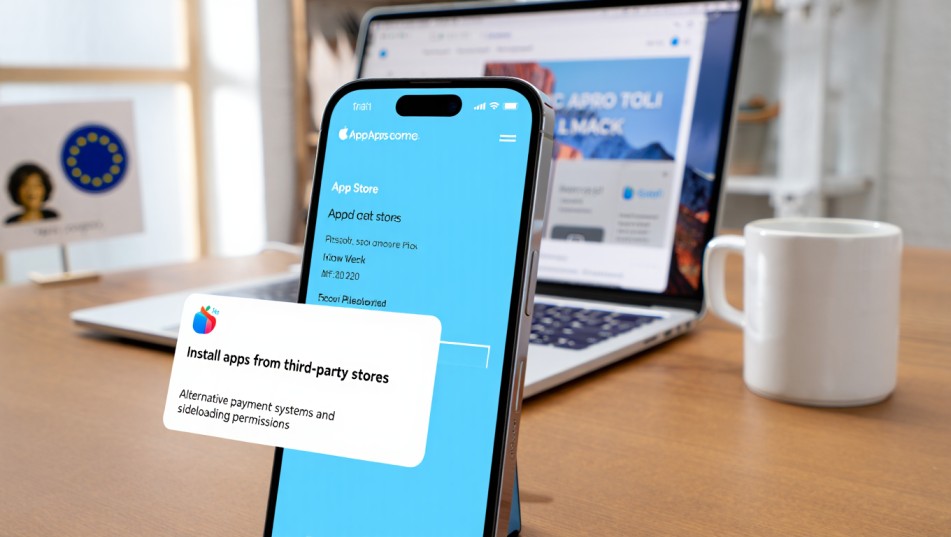
Apple has just made some important changes to the App Store rules in the European Union — and it’s all because of a new antitrust law. After months of pressure from EU regulators, Apple is now updating how the App Store works to comply with the Digital Markets Act (DMA) — a major law designed to make tech companies play fair.
So, what exactly is changing? How does this affect developers, iPhone users, and the future of apps in Europe? And why is Apple making these changes now?
Let’s break it all down — in simple terms, with no jargon.
📜 Why Apple Had to Change Its App Store Rules
The European Union passed a new law called the Digital Markets Act (DMA) to limit the power of big tech companies like Apple, Google, and Meta. The goal of this law is to:
-
Encourage competition
-
Protect consumer choice
-
Stop gatekeepers from abusing control
In the case of Apple, regulators believed that its strict App Store rules — like forcing developers to use Apple’s payment system and charging high commissions — were unfair and limited innovation.
So now, Apple is changing its rules in the EU to comply with the law — or face major fines.
🌍 Who Is Affected by These Changes?
These new App Store rules only apply to users and developers in the 27 EU countries. That includes:
-
France
-
Germany
-
Spain
-
Italy
-
Ireland
-
Sweden
-
Netherlands
-
And all other EU member nations
If you live in the U.S., U.K., or outside the EU, nothing changes for now — Apple’s standard App Store policies still apply.
But depending on how things go in Europe, similar changes could reach other regions in the future.
🛠️ What Are the Big Changes Apple Is Making?
1. Developers Can Use Other App Stores
This is the biggest change:
Developers can now offer their apps through alternative app stores — not just Apple’s App Store.
That means:
-
You could download an app directly from a developer’s website or a third-party store
-
These app stores don’t have to use Apple’s payment system
-
Developers can avoid Apple’s 15–30% commission fees
This is a huge win for developers who want more freedom — and could mean cheaper prices for users.
However, Apple has created a new “Core Technology Fee” (we’ll explain that below).
2. Alternative Payment Options Inside Apps
Developers in the EU can now use their own payment systems inside apps — not just Apple’s.
This means:
-
You could buy something in an app (like a subscription or game upgrade) using a third-party payment processor
-
Developers could offer lower prices, since they’re not paying Apple’s cut
However, Apple still wants developers to disclose when they use outside payment methods and must meet Apple’s security and transparency standards.
3. App Distribution Outside the App Store
Apple is now allowing sideloading — the ability to install apps outside the App Store through direct downloads or third-party platforms.
Apple had long argued that sideloading could be unsafe. But under the new rules, they’ve been forced to open things up — although they’re still adding some protections and approval steps.
Apps distributed outside the App Store must:
-
Meet Apple’s notarization requirements (to screen for malware)
-
Be listed in a registry for user awareness
4. A New Core Technology Fee (CTF)
While Apple is opening up the App Store, it’s not letting go of revenue entirely.
For developers who choose to opt out of the standard App Store system, Apple will charge a “Core Technology Fee” of €0.50 per install per year after 1 million downloads.
So:
-
Small apps with under 1M downloads = No CTF
-
Bigger apps may end up paying more than they used to
Critics say this fee could still hurt smaller developers or discourage alternative app stores from growing.
🤔 What Does This Mean for iPhone Users?
✔️ The Good:
-
More choice: You may see new app stores, especially for games or niche apps
-
More payment options: You might be able to buy things inside apps for less
-
Developers could offer new deals, free trials, or bundles they couldn’t before
❗The Trade-offs:
-
Some apps may not be vetted the same way Apple checks App Store apps
-
You might need to allow installation from unknown sources, similar to Android
-
You’ll see more security popups or warnings when sideloading apps
Apple is still placing limits to protect users from scams or malware, but you’ll need to be a bit more cautious than before.
🧑💻 What Do Developers Think?
The response has been mixed:
-
Some developers are excited, especially those who already criticized Apple’s high fees
-
Others are cautious, saying the new Core Technology Fee makes it hard to break free
-
Many say that real change will depend on how Apple enforces these new rules over time
Epic Games (the maker of Fortnite), which has been in a long legal battle with Apple, called the changes “unfair” and plans to challenge them further.
⚖️ Is This the End of the App Store Monopoly?
Not yet — but it’s a significant shift.
Apple still controls iOS tightly, and even with new options, most users will likely continue using the App Store out of habit and convenience.
But this is the first time Apple has been legally forced to open up its system — and it may influence future tech regulation in:
-
India
-
Japan
-
South Korea
-
United States
📅 When Do These Changes Start?
These new App Store rules officially take effect from March 2024 in the EU — in line with the EU’s enforcement of the Digital Markets Act.
Developers can already start preparing their apps under the new terms by updating their agreements with Apple.
✅ Final Thoughts: A Big Step Forward, With Some Strings Attached
Apple’s decision to open up the App Store in the EU marks a major moment in tech history. For years, developers and regulators complained about Apple’s tight grip over iOS — and now, some of those walls are finally coming down.
Users will have more choices, developers will have new freedom, and Apple will need to keep adapting as new laws push for fairness.
But this isn’t a full revolution yet. Apple has cleverly introduced new fees and safety rules to retain some control — and only time will tell how these changes play out in real life.
Related – Google’s New Doppl App Lets You Try Clothes Before Buying – Here’s Everything You Need to Know
