



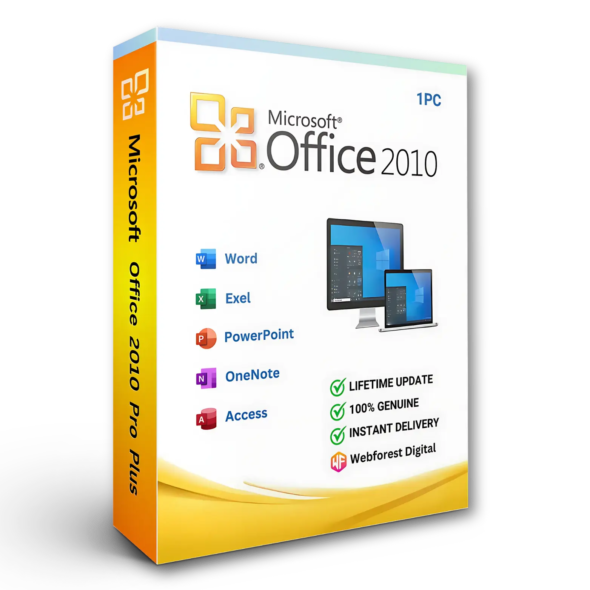



Managing legacy software tools on a desktop computer requires understanding both traditional local installations and modern cloud browser utilities. People frequently look up Office 2010 online options when older offline desktop applications fail to open properly on modern web browsers. Transitioning between vintage software builds and web platforms takes careful planning to avoid sudden file formatting errors. Older suites lack built-in cloud syncing tools found in newer editions, making manual file uploads necessary for web access. Following clear setup instructions helps bridge older desktop programs with browser solutions effortlessly.
Prepare Your Operating System Drive
Older productivity packages need a clean storage directory to install all core application components correctly. Old registry fragments leftover from previous installations often creates unexpected error codes during fresh setup runs. Cleaning out temporary cache files frees up vital sector space on your main hard disk partition. Restarting your physical workstation clears active memory blocks and prepares the device for software deployment. Taking a few moments to tidy up system directories prevents annoying installation crashes later on. A properly prepared computer guarantees smooth file extraction and rapid application execution daily.
Download Authentic Installation Package Files
Acquiring setup archives from verified digital sources keeps your workstation safe from malicious software threats. Always run executable setup files with administrator privileges to ensure proper registry permissions get assigned. System directories unpack required cabinet archives directly into designated program files folders during setup. Stable network connections prevent incomplete file downloads while fetching installation packages from remote servers. Keeping installation media stored safely on external drives provides quick recovery options for future system maintenance tasks. Authentic setup files protect local data integrity across every active document editor.
Enter Your Product Verification Code
Activating legacy software packages requires typing alphanumeric license strings directly into application registration windows. Entering a valid Microsoft Office 2010 Pro Plus key removes trial limitations permanently from local application files. Double-check every individual character typed into the designated text fields to prevent validation rejections. Successful verification alters software status flags from evaluation mode to fully licensed desktop utility tools. Correctly entering registration codes ensures uninterrupted access to advanced document editing features without recurring prompt interruptions. Proper activation safeguards software authenticity across local corporate networks.
Connect Classic Apps with Browsers
Bridging vintage desktop suites with web utilities involves saving local files directly into cloud storage directories. Browser-based editing platforms let users view word processor documents and spreadsheet sheets without installing heavy software. Logging into compatible cloud accounts enables smooth file sharing across different devices and remote workstations. Converting legacy file formats ensures documents render accurately inside modern browser viewing windows without distorted layouts. Utilizing cloud directories enhances daily productivity by offering flexible document access from any internet-connected device.
Troubleshoot Common Online Access Errors
Network connectivity drops sometimes disrupt browser-based document synchronization tasks during heavy editing sessions. Clearing browser cache data helps resolve sudden page loading freezes when accessing online document libraries. Verifying account credentials prevents authorization lockouts while connecting older local apps to cloud portals. Updating web browser software ensures full compatibility with modern document rendering scripts and security protocols. Addressing minor network hiccups quickly restores stable communication between local workstations and remote cloud document storage servers.
Keep Local Software Secure Daily
Older application suites require diligent security monitoring because official vendor support updates ended years ago. Avoid opening unsolicited email attachments or untrusted document files that might exploit unpatched system vulnerabilities. Running reputable antivirus software scans helps protect local workstations against emerging digital security threats and exploits. Regularly backing up important document files to external storage drives prevents permanent data loss during unexpected hardware failures. Maintaining safe computing habits keeps vintage software environments secure despite aging system architectures and missing patches.
Conclusion
Mastering legacy productivity tools and cloud browser alternatives gives users versatile options for handling daily tasks. Following structured installation steps and entering valid registration codes ensures stable software performance across older desktop computers. Acquiring authentic license keys from key-softs.com provides reliable product verification and keeps your system safe from malicious modifications. Store backup license details in secure offline directories for future system maintenance or hardware upgrades. Enjoy a productive working environment today by successfully managing both offline office applications and browser utilities without technical interruptions.